
Why are my cabinet doors showing brush marks?
Brush marks usually come from paint that dried too quickly, poor surface preparation, or the wrong tool. Learn how to correct them in Naples.
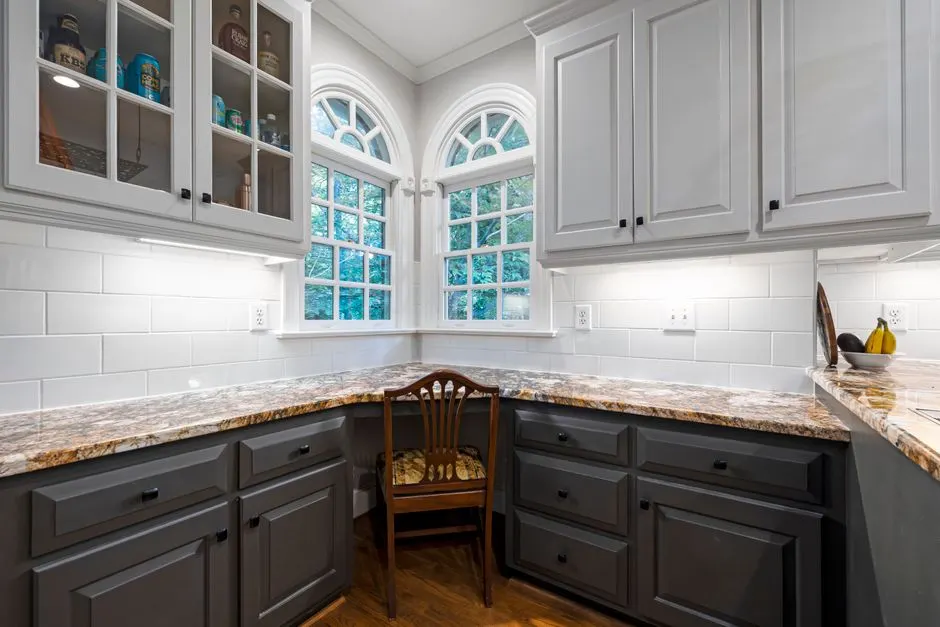
Brush Marks on Painted Cabinet Doors usually appear because the paint began drying before it could level, the surface was not prepared evenly, or the brush and coating were poorly matched. In Naples, heat, humidity, and strong air conditioning can shorten the useful working time and make ridges, lap marks, and uneven sheen more noticeable. Brush Marks on Painted Cabinet Doors is a finish defect that needs sanding and recoating when the marks remain visible after the paint cures. The right fix depends on whether the marks sit in the paint film, come from the wood grain, or point to a bonding problem. We'll explain how to tell the difference, when repainting works, and how our team approaches a smooth cabinet finish.
Why are my cabinet doors showing brush marks?
Painted cabinet doors show brush marks when the coating does not flow out evenly before it dries, most often because of heavy application, fast drying, poor sanding, or repeated brushing over tacky paint. You may see straight ridges that follow the bristles, an uneven sheen across a flat panel, or lines where one section dried before the next.
The timing matters. If the marks appeared while the paint was wet, too many brush passes or a thick coat are likely. If you see the wood's pores and raised grain through the finish, the cause is probably incomplete filling or sanding rather than brush technique alone.
Naples homes face a particular combination: outdoor humidity, warm rooms, and air conditioning that moves dry air across open cabinet doors. For example, a door painted near a supply vent can skin over quickly, leaving brush tracks locked in place. Paint applied in a warm garage can behave differently from paint applied inside a cooled kitchen.
We begin by checking the surface under angled light, then look for adhesion issues, dust, grease, and grain texture. That tells us whether a light sanding and another coat will solve the problem or whether the finish needs more thorough removal and preparation.
How the paint, tools, and conditions create brush marks
Brush marks on cabinet doors in Naples, Florida, often come from a combination of paint viscosity, application technique, and drying conditions, not from the brush alone. A good-quality brush cannot hide a rough substrate or make an incompatible coating level correctly.
Cabinet paint needs enough open time to settle after application. If the product is too thick, the brush deposits ridges; if it is thinned beyond the manufacturer's instructions, it may sag or leave weak coverage. A coat applied too heavily can also dry at the surface while remaining soft below.
Common causes include:
- Brushing back into tacky paint: Once a section begins to set, another pass pulls it instead of smoothing it.
- Insufficient sanding: Old coating edges, scratches, and wood grain transfer through the new finish.
- Grease or cleaner residue: Paint can crawl, separate, or dry unevenly on contaminated doors.
- Wrong brush or coating: A coarse brush or paint not designed for cabinetry leaves a pronounced texture.
- Air movement and heat: A nearby fan, vent, or hot work area shortens leveling time.
Different cabinets need different preparation. Oak has open grain that can show through several coats unless you fill it; maple is smoother but can reveal sanding scratches under a satin or gloss finish. We match the prep to the wood and coating rather than assuming every door needs the same process.
For a kitchen refresh, Kitchen Cabinet Painting Naples FL includes the door preparation and finish choices that help prevent a repeat of the same defect. We also assess whether the visible marks come from brush technique or from a texture that needs correction beneath the paint.
How to fix brush strokes on kitchen cabinets
You can fix brush strokes on kitchen cabinets by letting the coating cure, sanding the ridges flat, removing dust, and applying a thin, compatible finish coat. Do not sand or recoat paint that still feels soft; many cabinet coatings need several days to harden enough for careful sanding.
Start with a test area on the back of one door. If the marks are shallow and the paint has bonded firmly, use a fine abrasive-often 320-grit paper or a fine sanding sponge-to level the high spots. Sand evenly; cutting through the coating at corners creates a new repair problem.
- Remove the door and hardware, and label each door so it returns to its original opening.
- Allow the finish to cure according to the product label; do not rely only on a dry-to-touch feel.
- Sand the ridges with light, even pressure, then vacuum and wipe away all dust.
- Apply a thin coat with a quality cabinet brush, mini roller, or sprayer suited to the coating.
- Leave the door horizontal in a clean area and protect it from dust while it dries.
If sanding exposes primer or bare wood, spot-prime before recoating. A second paint coat over an exposed patch can absorb differently and leave a dull or uneven spot. For significant defects, Cabinet Repainting Naples FL can address the full door surface rather than disguising one ridge and leaving the rest of the finish inconsistent.
Do not try to erase deep marks with a very thick coat. That often creates curtains, soft edges, or new brush lines. Two thin coats with the correct recoat interval are more reliable than one heavy pass.
What to watch out for when repainting cabinet doors
Repainting cabinet doors in Naples requires attention to adhesion, cure time, and the difference between brush texture and damaged substrate. A door that looks simply rough may have grease, a failing old finish, or raised wood grain underneath.
Common mistakes turn a small cosmetic issue into a full-door repair. Watch for these:
- Sanding too soon: Soft paint clogs the abrasive and smears instead of forming clean dust.
- Skipping cleaning: Kitchen oils can remain around handles and lower cabinet doors even when the surface looks clean.
- Leaving dust behind: Fine particles create bumps that show clearly under light-colored paint.
- Overworking the final coat: Repeated strokes disturb paint that has started to set.
- Closing doors too early: Fresh paint can stick to the cabinet frame before it hardens.
Check doors in daylight and with a lamp held at a low angle. That reveals ridges that overhead kitchen lighting can hide. Also check the door edges and corners: paint often builds there first, and a thick edge may chip or bind when the door closes.
Naples' coastal air does not automatically ruin cabinet paint, but moisture and temperature shifts make a controlled work area important. In older homes around Cabinet Painting in Old Naples, layers of previous finishes and detailed door profiles can add preparation steps before a smooth coat is possible.
How professional painters get smooth cabinet doors in Naples
Professional cabinet painters in Naples get smooth doors by removing contamination, sanding to a consistent profile, applying the right primer, and controlling the paint film and drying environment. We inspect the existing coating before selecting a repair method, because a new layer cannot reliably correct a loose or incompatible base.
Our team removes doors and hardware, cleans grease from touch points, and sands the surface to help the primer bond. We fill grain or damaged spots where the desired finish calls for it, then apply primer and check for defects before the finish coats go on.
Spraying is often a good choice for a uniform factory-style appearance, especially across flat doors and repeated cabinet fronts. Brushing remains useful for details, touch-ups, and areas where masking or access makes spraying impractical. Neither method replaces sound preparation.
For a door with deep texture, peeling paint, or multiple old layers, Cabinet Sanding and Finish Removal Naples FL may be part of the repair. The purpose is to create a sound, even foundation-not to remove more material than the cabinet needs.
Finish selection matters, too. A satin surface tends to reveal fewer small imperfections than a high-gloss surface, while dark colors can show dust and uneven sheen more readily than many mid-tone colors. We explain the trade-off before work begins so you can choose the look that suits your kitchen and how you use it.
For homeowners comparing the Cabinet Painting Naples FL options, our approach is straightforward: identify what caused the marks, prepare the doors for the chosen finish, and check the result under real lighting before reinstalling them.
When to call a professional in Naples
Call a cabinet painting professional in Naples when brush marks cover multiple doors, paint peels or stays tacky, or sanding exposes widespread bare wood and primer. Those signs suggest the issue goes beyond a few shallow ridges and needs a coordinated repair plan.
We can also help when the doors have detailed profiles, heavy oak grain, or an unknown existing coating. A quick test can show whether the finish is firmly bonded and whether a local repair will blend with the surrounding doors.
Cabinet repainting for brush marks is most successful when every visible door receives consistent preparation and coating. If you want a second opinion, Cabinet Painting Experts of Naples can inspect the finish and explain the practical route to a smoother result without pushing you toward unnecessary removal.
Frequently Asked Questions
Why are there brush marks on my cabinet doors?
Brush marks usually form because paint dried before it could level, was applied too thickly, or was brushed again after it turned tacky. Poor sanding and grease residue can add uneven texture. In Naples, heat, humidity, and nearby air-conditioning vents can affect open time, so the room and application method matter as much as the brush.
Can brush marks be sanded out and repainted?
Yes-shallow marks can often be sanded with fine 320-grit abrasive after the paint has cured, then recoated. Deep ridges, peeling, or exposed substrate require more preparation and possibly primer. Allow the product's stated cure time first; sanding soft paint can smear the surface and make the repair harder.
How do professional painters get smooth cabinet doors in Naples?
Professional painters clean, sand, prime, and apply controlled thin coats in a suitable work area. We check doors with angled light between steps and correct grain or surface defects before finishing. A smooth result comes from consistent preparation and film thickness, not simply from using a sprayer or a particular brand of paint.
Is spraying better than brushing cabinet doors?
Spraying usually gives flat cabinet doors a more uniform finish, while brushing works well for details, small repairs, and some profiles. The better method depends on the coating, room setup, and door design. A poorly prepared sprayed door can still look rough, and an experienced painter can brush carefully without leaving pronounced strokes.
How long should I wait before sanding brush marks?
Follow the paint label; cabinet coatings can need several days or longer to harden enough for sanding, even when dry to the touch within hours. Test an inconspicuous area first. If the abrasive gums up or the paint rolls, stop and allow more cure time before continuing.
Get help with Cabinet Painting in Naples
If visible brush strokes are keeping your kitchen from looking finished, Cabinet Painting Experts of Naples can identify the cause and recommend a practical correction. Call +1 239-309-2224 to discuss your cabinet doors and the smoother finish you want.