
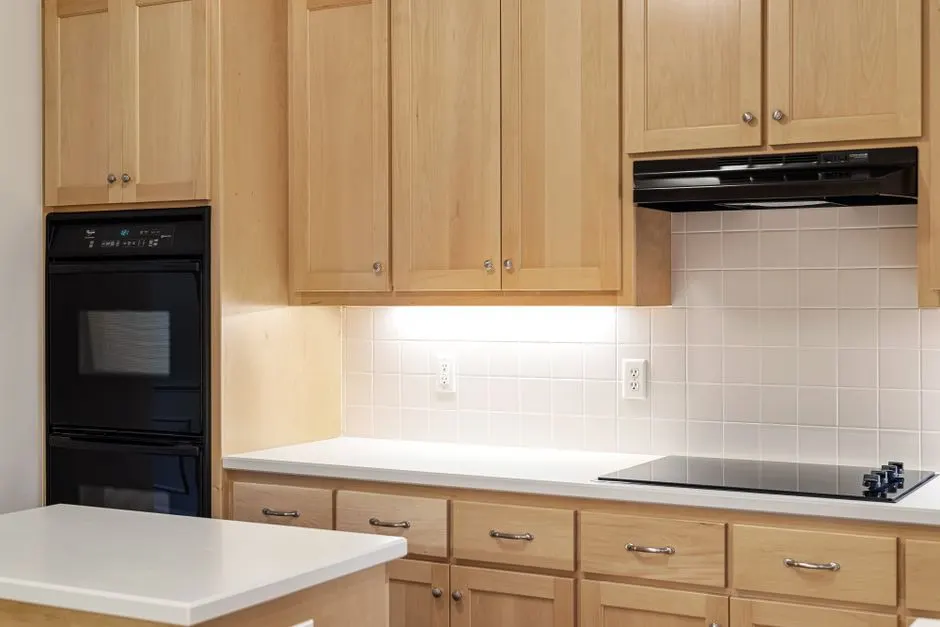
Clean wood surfaces, ready for a durable new finish
Cabinet Sanding and Finish Removal Naples FL
Cabinet Sanding and Finish Removal Naples FL helps homeowners with peeling paint, sticky varnish, or a finish that no longer suits the room. We remove failing coatings, smooth the wood, and prepare doors, drawer fronts, and frames for refinishing. Our cabinet sanding service Naples homeowners choose is suited to kitchens, baths, and built-ins where grease, humidity, and years of handling have left the surface uneven.
Live phone supportUpfront optionsBacked workmanship
What's included
What's Included in Finish Removal
Cabinet Sanding and Finish Removal includes inspection, protection, removal of the agreed failing or unwanted coating, dust-managed sanding, and a final surface check. We label and organize doors and hardware, then explain what the exposed wood can support. Extensive reconstruction, replacement of swollen panels, new hardware, stain or paint application, and specialized decorative finishes are separate services that we can coordinate as part of a complete cabinet project.
Coating and Material Check
We inspect the cabinet construction, coating condition, and visible damage before choosing a removal method. A test patch helps identify how the finish responds and whether veneer or fragile profiles need gentler handling. We explain likely limitations, including deep color in grain or prior repairs.
Protection and Labeling
We protect nearby floors, counters, and appliances, then label doors and drawer fronts before removal. Hardware is kept together by location to support accurate reinstallation. This reduces avoidable handling and helps keep the work area organized while surfaces are prepared.
Controlled Finish Removal
We lift loose or unwanted coating with an appropriate combination of scraping, stripping, and sanding. Flat panels, routed details, and cabinet frames receive different treatment. The aim is to remove the coating without gouging wood or sanding through thin veneer.
Dust-Managed Surface Sanding
We refine prepared surfaces with suitable abrasives and extraction, then inspect for scratches, gloss, and remaining residue. Edges and profiles receive hand attention where power tools would be too aggressive. The result is a surface ready for the agreed next coating step.
Readiness Review
We check prepared doors and frames, point out repairs or grain characteristics, and confirm the next finish direction with you. Primer, paint, stain, clear coat, extensive repairs, and hardware upgrades can be added through related services when your project calls for them.
Service overview
Cabinet Sanding and Finish Removal Naples FL
Cabinet Sanding and Finish Removal Naples FL is a cabinet surface restoration service that removes failing or unwanted coatings and smooths wood for a fresh finish. We first identify the existing coating and inspect veneer, solid wood, joints, and profile details. Depending on the material, we use controlled stripping, scraping, and progressive sanding rather than cutting aggressively into the substrate. Doors and drawer fronts are labeled, hardware is removed, and dust is captured before primer or a new coating is considered. The goal is a clean, stable surface, not unnecessary removal of sound wood.
Naples kitchens often show finish wear around pulls, sinks, and cooking areas, where hand oils and cleaner residue can undermine adhesion. Humid air and water exposure also contribute to tacky coatings, cloudy clear coat, or peeling edges. We assess the condition before recommending how to remove old finish from kitchen cabinets in Naples FL, including whether stripping, sanding, or localized repair is safest. A test area helps reveal the wood tone and grain, so you can choose between painting, staining, or a clear protective finish with realistic expectations.
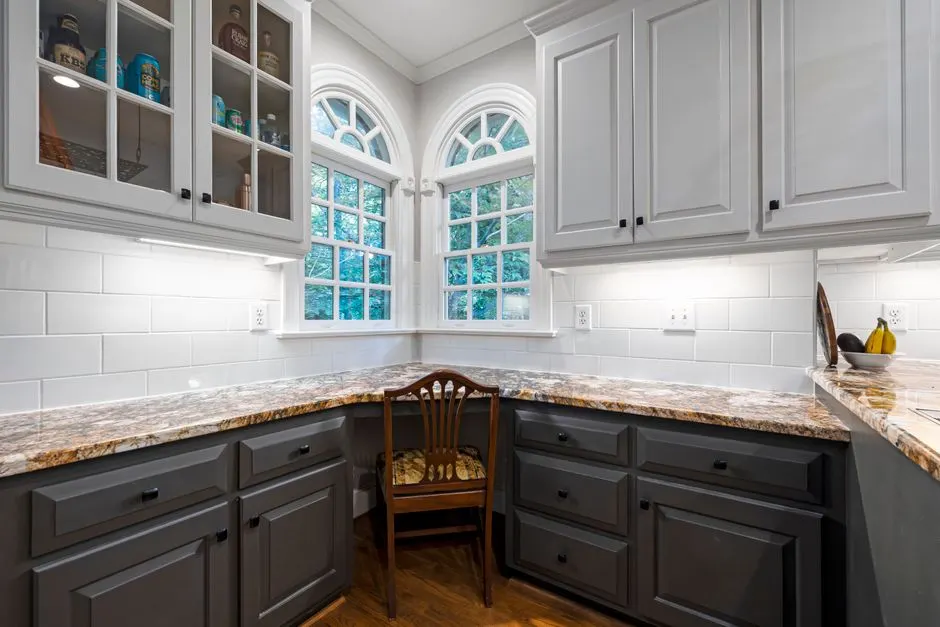
How we workWe verify the cause, compare realistic options, and confirm the repair before we leave.
The service timeline
What to Expect at Each Step
The process flexes to the condition, but these checkpoints keep decisions clear.
Inspect and Test
We examine the cabinet material, coating, joints, and damage, then test a discreet area to see how the finish responds. You get a clear explanation of whether the surface needs stripping, sanding, or a combination. A typical inspection takes 30 to 60 minutes, depending on the number of doors and the complexity of the profiles.
Protect and Label
We protect counters, floors, nearby appliances, and cabinet interiors, then label each door and drawer front before removal. Hardware is bagged by location, and a dedicated work area is set up for surface work. Most kitchens need several hours for this stage; careful labeling prevents mix-ups during reinstallation.
Remove the Old Coating
We use a paint scraper, putty knife, or suitable stripping method to lift failed finish without gouging the wood. Broad flat areas are treated differently from corners and molded details. We work in manageable sections and remove residue before sanding, so softened coating does not clog abrasives or smear into the grain.
Sand and Repair
We refine the surface with a random orbital sander on broad panels and hand sanding or a detail sander around profiles. Small dents and open grain receive appropriate repair where the finish plan calls for it. Dust is extracted as we work, and the surface is checked under angled light for remaining gloss or scratches.
Review and Prepare
We vacuum and inspect all prepared faces, then confirm that doors, frames, and edges are ready for the next coating stage. You can review the exposed surface and discuss paint, stain, or clear-coat direction. Drying and recoat timing depend on the selected products and the room's measured conditions, not a guess.
Tools & methods
Tools and Removal Methods
Purpose-built equipment, used by trained technicians, so the job is done accurately the first time.
Random orbital sander
We use controlled orbital sanding on broad flat panels to remove remaining coating and refine scratches. Dust extraction and suitable abrasive grades help keep the surface even without grinding through edges.
Detail sander
A detail sander reaches corners and shaped areas that a larger tool cannot access. We use it selectively, with light pressure, then hand-finish delicate profiles to avoid rounding cabinet details.
Dust extraction vacuum
Connected extraction captures much of the sanding dust at the source and supports cleaner work around your kitchen. We still mask nearby surfaces and vacuum prepared components before coating.
Paint scraper and putty knife
These hand tools lift loosened finish and residue from suitable surfaces. We keep the blade angle controlled and avoid forcing a tool under veneer or into a soft wood edge.
Moisture meter
We use a moisture meter when water exposure or humidity damage is suspected. Readings help determine whether a surface is ready for coating or needs additional drying and repair first.
Use cases
When Finish Removal Makes Sense
These examples show how the service framework adapts rather than forcing every call through one repair.

Cloudy Vanity Clear Coat
A Naples bathroom vanity had cloudy clear coat and lifted finish along the lower door edges. Water splashes were frequent, and the owner was unsure whether the wood was still sound. We checked the affected areas and confirmed that moisture conditions needed attention before a new coating could be considered. → After the moisture concern was addressed, we removed loose coating and refined the stable surfaces. The vanity doors and frame were left clean and ready for a compatible finish. The damaged lower edge was documented for repair rather than covered, preventing the new coating from hiding a weak spot.
Dark Varnish to Paint Prep
A kitchen in Moorings had dark varnished doors with years of fingerprints and uneven sheen. The homeowner wanted a lighter painted look, but open grain and dark color could affect the result. We tested a representative door to show what removal could and could not change. → We cleaned and removed the unwanted coating, then sanded the doors and frames for primer. The test area helped set expectations about grain visibility, and the owner chose whether to add grain filling before paint. All 18 doors were labeled and prepared consistently for the next stage.
Problems we solve
Prepare Varnished Cabinets for Painting Naples
If a new coating is already peeling or feels tacky, the cause may be beneath the visible surface. Cabinet Sanding and Finish Removal addresses unstable finish, contamination, and uneven texture before another layer is applied. We inspect the cabinet and explain the preparation needed to avoid repeating the same failure.
Peeling or flaking coating around frequently handled cabinet doors
We identify where the coating has released, remove loose material, and feather sound edges into the prepared surface. Then we clean and sand the area for a compatible primer or finish. If failure extends across many doors, we discuss broader removal rather than disguising isolated symptoms.
Sticky or tacky varnish that attracts dust and fingerprints
We test the coating and check for residue, cleaner buildup, or finish incompatibility. Where removal is appropriate, we lift the unstable layer and refine the wood before the next system is selected. A small test area helps show whether the cabinet can be prepared without harming its substrate.
Visible scratches, dents, and worn cabinet edges
We remove failing finish, sand the surface in stages, and identify dents or exposed edges that need repair. We use wood putty or other suitable repair materials where appropriate, then review the surface under angled light. The finish plan determines whether grain and filled areas will remain visible.
Water and humidity-related finish damage near sinks
We inspect the affected area and check moisture conditions before proceeding. A moisture meter helps inform whether the surface is ready for coating; damaged substrate may need repair or replacement beyond finish removal. We do not cover active moisture damage with paint and call it fixed.
Do cabinets need to be sanded before painting in Naples?
Yes, most cabinet finishes need cleaning and controlled abrasion before painting, though not every cabinet requires complete stripping. We remove grease, dull the sound coating, and sand failing areas to create a consistent surface. For your kitchen, the existing finish, wood or veneer, and selected primer determine the exact preparation. We also check for peeling edges and paint chipping around knobs before recommending a coating system. Sanding alone will not correct contamination or a coating that is still loose.
How is old cabinet varnish removed?
Old cabinet varnish is removed by testing the coating, then using suitable stripping, scraping, and sanding methods in sequence. We protect nearby surfaces, soften or lift the finish where appropriate, and use hand tools around profiles to avoid gouging. A random orbital sander refines broad faces after residue is cleared. For remove old cabinet varnish Naples projects, the wood species and coating condition guide the method; thin veneer needs especially controlled pressure and careful inspection.
Can cabinet finish be stripped without damaging the wood?
Yes, careful testing and controlled removal can strip a cabinet finish while preserving sound wood, but fragile veneer and damaged edges need extra caution. We test a small area, select the least aggressive effective method, and avoid prolonged scraping or heavy sanding on thin surfaces. Some deep stains or finish remnants can remain in pores and corners. We show you what the test reveals before applying the same approach across doors and frames.
How much does cabinet sanding cost in Naples FL?
Typical 2026 pricing is about $500 to $3,500 for cabinet sanding and finish removal, depending on cabinet count, coating layers, and repairs. A small vanity costs less than a full kitchen with detailed doors and heavy varnish. We give upfront pricing after reviewing the surfaces and finish plan. The price reflects removal, dust control, preparation, and cleanup; primer, painting, hardware, or extensive wood repair can change the total if added.
Related services
Services That Complete the Finish
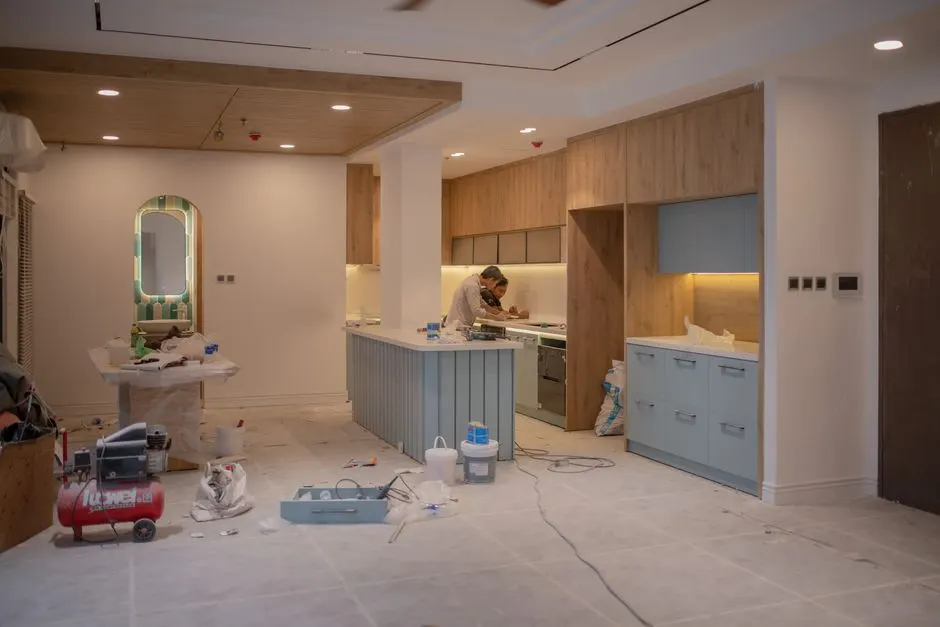
Kitchen Cabinet Painting
After old finish is removed and the wood is prepared, kitchen cabinet painting adds the new color and protective coating. We match primer and cabinet-grade enamel to the prepared surface, with attention to door edges, frame corners, and high-use areas around the sink and range.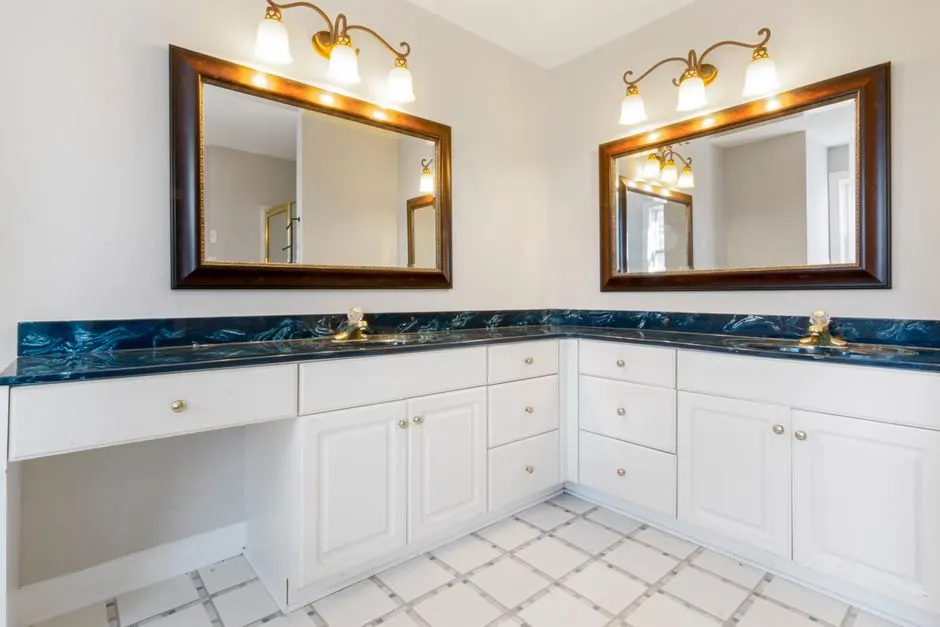
Bathroom Cabinet Painting
Bathroom vanities face water splashes, humidity, and frequent cleaning. Finish removal addresses peeling or soft coating before a new paint system is applied. We inspect the cabinet base and door edges for water damage so the new finish is applied only after the surface is stable and dry.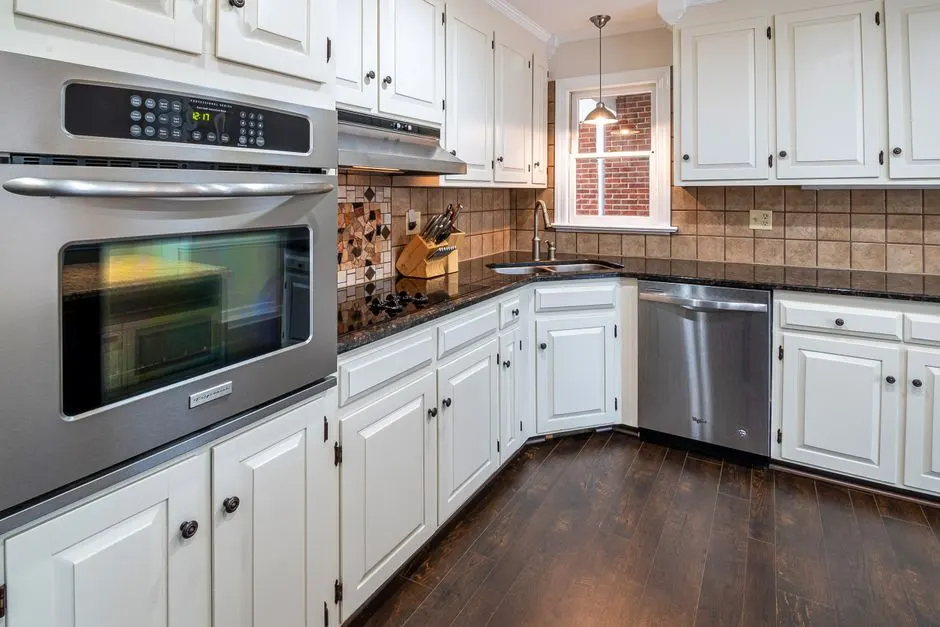
Cabinet Refinishing
Cabinet refinishing brings removal, repairs, surface preparation, and a new finish together. If your existing color or clear coat has failed, sanding and stripping create a clean starting point. We assess whether the wood is suited to paint, stain, or a transparent protective finish before work begins.Ready when you are
Book Cabinet Sanding and Finish Removal Naples FL
Get a clear plan for your worn, peeling, or tacky cabinet finish. Our team checks the coating and wood, then explains the preparation your next finish needs. Call Cabinet Painting Experts of Naples to arrange an assessment; upfront pricing keeps the next step straightforward.
Talk with the local team
Request Cabinet Sanding and Finish Removal
Tell us which cabinets need attention, what finish you want, and when you hope to start. Call +1 239-309-2224 to speak with Cabinet Painting Experts of Naples; we respond during regular business hours, Monday through Friday, 8:00 a.m. to 6:00 p.m. We serve Naples, Florida, including 34103 and nearby communities, and will help you plan the next step.