
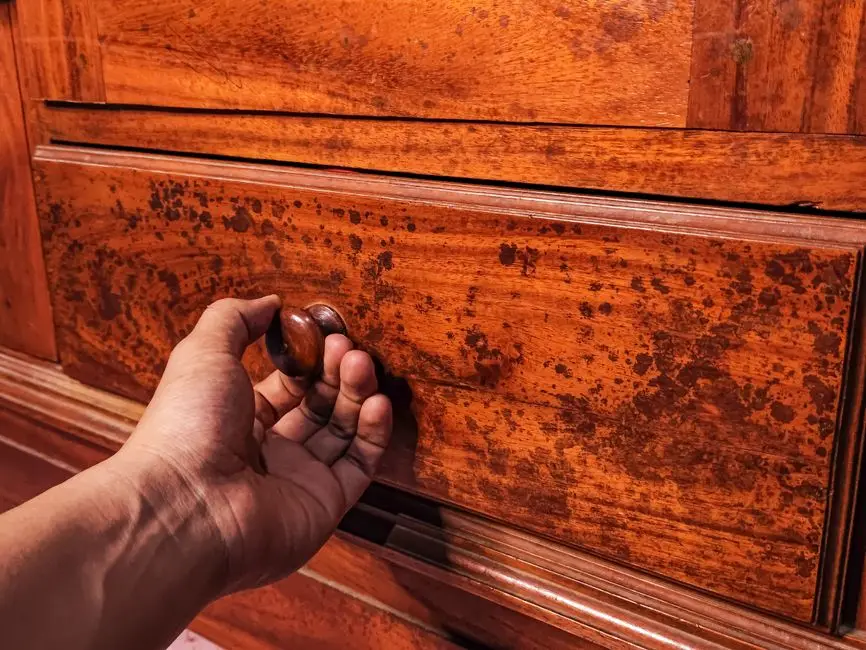
A smoother painted finish for oak and open-grain cabinets
Cabinet Grain Filling and Smoothing Naples FL
Cabinet Grain Filling and Smoothing Naples FL prepares oak and other open-grain cabinet doors for a cleaner painted finish. We fill pores, level the surface, and prepare doors, drawer fronts, and frames for homeowners who want less visible grain without replacing sound cabinets. Our cabinet grain filling Naples service suits kitchens, baths, and built-ins where pronounced grain or old finish texture would otherwise show through fresh paint.
Live phone supportUpfront optionsBacked workmanship
What's included
What Cabinet Smoothing Includes
Cabinet grain filling and smoothing covers inspection, cleaning, surface abrasion, filler application to agreed wood faces, sanding, dust removal, and preparation for primer. We confirm whether doors, drawer fronts, exposed ends, and frames are included before work starts. Hardware replacement, structural repairs, extensive finish removal, and coating application are separate services when requested; we identify those needs during the initial review.
Surface Condition Review
We inspect the cabinet material, existing finish, grain depth, and visible defects. This identifies where filler is suitable and where chipped coating, dents, or loose edges require a different repair before the surface can be leveled.
Cleaning and Abrasion
We remove grease and residue, then abrade stable coatings to prepare them for the next step. Dust is removed before filler or primer is applied so sanding debris does not become trapped in the finish.
Grain Filler Application
We work filler into open pores on the surfaces included in the plan, then allow it to cure according to its product directions. Deeper grain may need more than one controlled application for a level base.
Level Sanding and Inspection
After cure, we sand the filled areas and inspect them in direct and angled light. Any remaining ridges or visible pores are addressed before the surface moves to primer, rather than hidden beneath finish coats.
Ready-for-Primer Surface
We remove sanding dust and leave the prepared surfaces ready for a compatible primer and finish system. If coating is part of your project, we coordinate that work with the filler cure and manufacturer recoat guidance.
Service overview
Cabinet Grain Filling and Smoothing Naples FL
Cabinet Grain Filling and Smoothing Naples FL is a cabinet surface-preparation service that fills open wood pores and levels raised grain before primer and paint are applied. We inspect the existing coating, remove grease and loose material, then work wood grain filler into the grain with a putty knife or spreader. After curing, we sand and inspect the surface under direct light. The sequence matters: filling over residue or unstable paint can cause poor adhesion, while sanding too aggressively can expose uneven patches or soften door details.
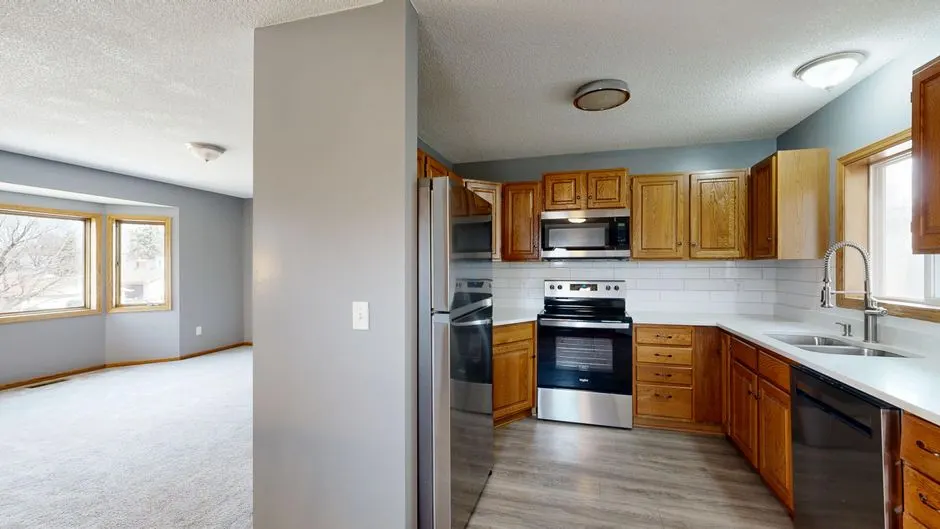
Naples homes include oak kitchens with deep cathedral grain, older painted cabinets with brush texture, and doors whose finish has worn around handles. Warm, humid conditions also make careful curing and airflow important; we follow the coating maker's temperature and recoat guidance rather than rushing a wet surface. Our wood grain filling for cabinets in Naples, Florida reduces visible texture before the finish coats, especially when you want to fill oak cabinet grain for a smooth finish in Naples FL without changing the cabinet layout.
How we workWe verify the cause, compare realistic options, and confirm the repair before we leave.
The service timeline
What Happens During the Work
The process flexes to the condition, but these checkpoints keep decisions clear.
Inspect and Protect
We identify the wood species, coating condition, grain depth, and damage before removing doors or beginning surface work. We label doors and drawers, protect counters and floors, and note hinges or misaligned fronts that need attention. This visit usually takes 30 to 60 minutes for a standard kitchen, depending on access and the number of components.
Clean and Abrade
Our team removes cooking residue with degreaser and scrub pads, then sands stable coatings to create a consistent key. A dust extraction vacuum captures sanding debris, and we use a detail sander where profiles or corners need control. We do not fill over grease, silicone residue, or peeling paint because those defects undermine adhesion.
Apply Grain Filler
We spread compatible wood grain filler across the open pores, working it across the grain so the material reaches the recesses. A putty knife helps control the application on broad faces and edges. Drying time follows the product label and room conditions; deeper oak grain can require a second application rather than one heavy layer.
Sand and Recheck
Once the filler is fully cured, we sand the face level with controlled abrasives and remove dust before inspecting. We check under angled light for remaining pores, scratches, and filler ridges. If the grain still reads strongly, another thin fill-and-sand cycle produces a more consistent base than loading on primer or paint.
Prime and Finish
We apply compatible bonding primer and the selected cabinet coating after surface approval. Doors are placed on a cabinet door drying rack to limit contact marks while they cure. We coordinate reinstallation after the coating reaches the manufacturer's handling stage, then check door alignment and edges before the work area is cleared.
Tools & methods
Tools and Surface Methods
Purpose-built equipment, used by trained technicians, so the job is done accurately the first time.
Random orbital sander
We use it on broad, flat cabinet faces to level cured filler and prepare stable coatings. Controlled pressure and suitable abrasive grades help avoid swirl marks and rounded edges.
Detail sander
The detail sander reaches corners and narrower profiles where a larger pad cannot work cleanly. We use it carefully around edges and molded details to preserve the cabinet's shape.
Dust extraction vacuum
We capture sanding dust at the tool and clean prepared surfaces before filler or primer. Removing residue helps keep particles from becoming embedded in the next coating layer.
Putty knife
A clean putty knife spreads wood grain filler across open pores and helps remove excess material from the surface. We use thin, controlled passes to limit ridges and simplify sanding.
Moisture meter
We use a moisture meter when substrate or room conditions warrant a check before coating. The reading helps us decide whether surfaces are ready for the next product stage under its application guidance.
Use cases
When to Smooth Cabinet Grain
These examples show how the service framework adapts rather than forcing every call through one repair.
Vanity Faces Prepared Evenly
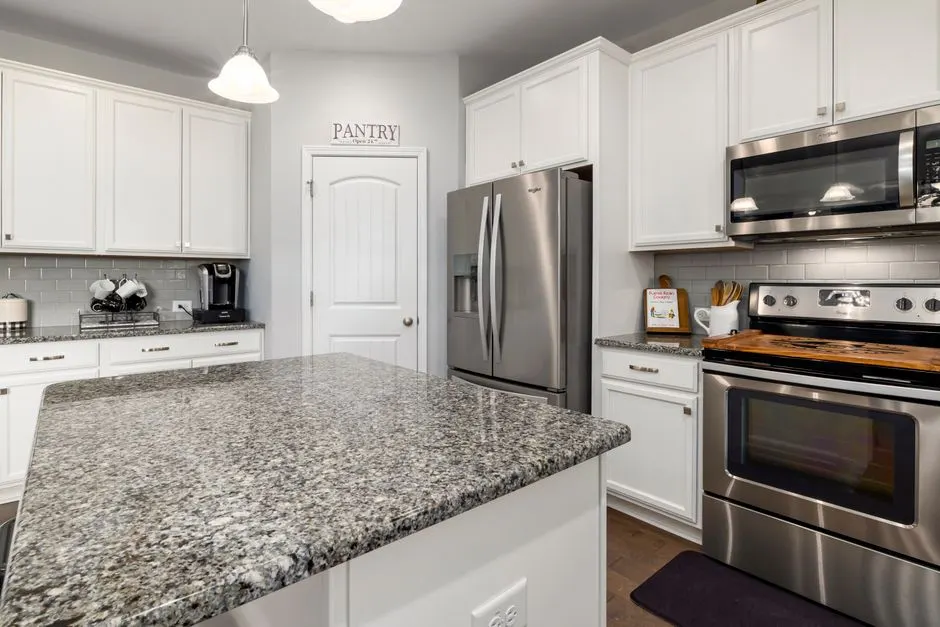
A bathroom vanity in East Naples had eight oak drawer fronts with pronounced grain, water spotting near the sink, and worn lower edges. The owner wanted a lighter painted color, but the existing surface needed cleaning and repair before filler could be applied. → We addressed the worn edges, checked that the substrate was dry, filled the open grain, and sanded the fronts level. The eight prepared faces were ready for bonding primer, with less visible pore contrast and a more uniform base for the new color.
Condo Doors Smoothed for Refinish
In a Park Shore condo, 16 painted cabinet doors had a mix of visible oak grain, old roller texture, and small chips around frequently used knobs. The resident needed a controlled work sequence that kept the kitchen usable between preparation stages. → We labeled and removed the doors, cleaned the high-touch areas, filled the pores, and leveled the stable coating texture. After inspection, the 16 doors were staged separately for primer and finish, reducing the uneven look between broad faces and edges.
Problems we solve
Reduce Visible Grain Before Painting
Unfilled grain, worn edges, and old coating texture can remain obvious after a color change. We correct the surface before finish coats so your cabinets do not rely on paint thickness to hide defects. The right repair depends on whether the problem is open pores, impact damage, or unstable paint.
Oak grain remains visible through fresh cabinet paint
We clean and abrade the doors, apply compatible grain filler across the open pores, and sand after curing. If one pass leaves visible recesses, we apply another controlled layer. The goal is to reduce the grain pattern before primer, not to bury it beneath excessive paint.
Old brush marks and raised coating texture show on doors
We identify stable coating that can be sanded and areas that need removal, then level surface irregularities before filling applicable grain. A random orbital sander handles broad faces, while hand sanding controls edges and profiles without rounding crisp details.
Paint chips around knobs expose worn cabinet edges
We remove loose paint, clean around the hardware, and repair small defects with an appropriate material before smoothing the surrounding surface. Once prepared, the area receives compatible primer and finish as part of the agreed coating work, helping the repair blend with the door.
Grease and residue cause poor paint adhesion
We degrease the surface before abrasion and remove dust before applying filler or primer. If existing paint is already loose, we take it back to a stable edge instead of sealing over it. This preparation gives subsequent materials a clean, sound surface.
Can oak cabinet grain be filled before painting in Naples?
Yes, oak cabinet grain can be filled before painting, and the work usually takes one or two fill cycles depending on pore depth. We clean and abrade the surface, apply filler across the grain, let it cure, then sand level before primer. For homeowners looking to reduce visible wood grain on cabinets in Naples, Florida, the final smoothness depends on the oak pattern and how much texture you want to conceal.
How many coats of grain filler do cabinets need?
Most open-grain cabinet doors need one or two filler applications; deep oak pores can need an additional thin pass. We inspect after sanding rather than relying on a fixed coat count. Applying one heavy coat can leave ridges or extend drying, while thin, fully cured layers are easier to level and prepare for primer.
Does grain filling make painted cabinets completely smooth?
Grain filling greatly reduces visible pores, but it cannot guarantee a perfectly featureless surface on every wood door. Deep grain, dents, seams, and existing damage need separate correction, and angled light can reveal subtle texture. We show you a prepared sample area when appropriate and explain the expected result before proceeding with the full set.
How much does cabinet grain filling cost in Naples FL?
Typical 2026 pricing ranges from $450 to $2,800 for grain filling and smoothing, depending on cabinet count, grain depth, condition, and whether both sides are included. A small island or vanity costs less than a large kitchen with deep oak pores and multiple fill cycles. We inspect the surfaces and provide upfront pricing for the defined work.
Related services
Services That Complete the Finish
Kitchen Cabinet Painting
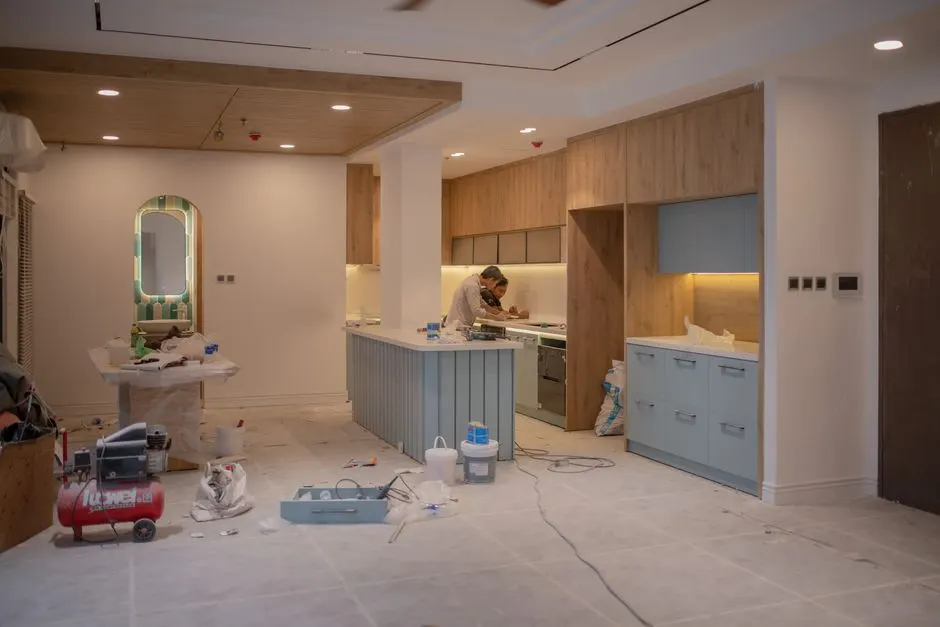
Kitchen Cabinet Painting follows grain filling with primer and durable cabinet finish coats. In Naples kitchens, we prepare doors and frames as a matched set, so the smoother door faces do not contrast with untreated cabinet boxes. We coordinate the coating schedule with door handling and room use.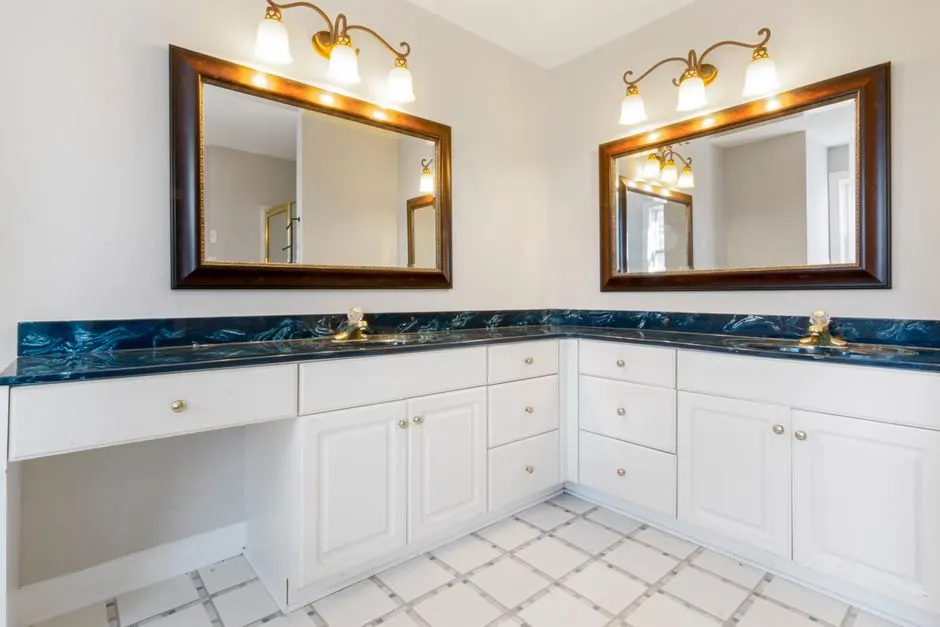
Bathroom Cabinet Painting
Bathroom Cabinet Painting pairs surface smoothing with a coating system suited to frequent cleaning and room moisture. We fill open grain before priming, then pay close attention to vanity edges and drawer fronts where water and humidity-related finish damage often starts.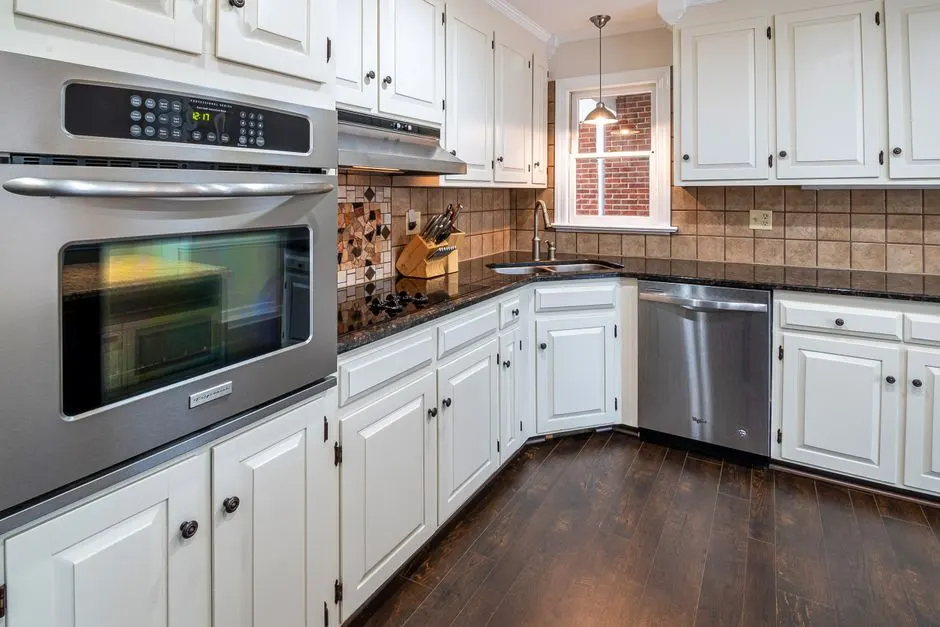
Cabinet Refinishing
Cabinet Refinishing combines finish removal or preparation, grain correction, and new coatings while keeping sound cabinet structures. We assess whether your existing finish can be prepared safely or needs more extensive removal, then smooth visible faces before applying the selected finish.Ready when you are
Plan Smoother Cabinet Faces in Naples
If visible oak grain is keeping your cabinets from the finish you want, call our team to discuss the doors, frames, and expected preparation. We provide upfront pricing for the agreed work. Call Cabinet Painting Experts of Naples at +12393092224 to arrange a service conversation.
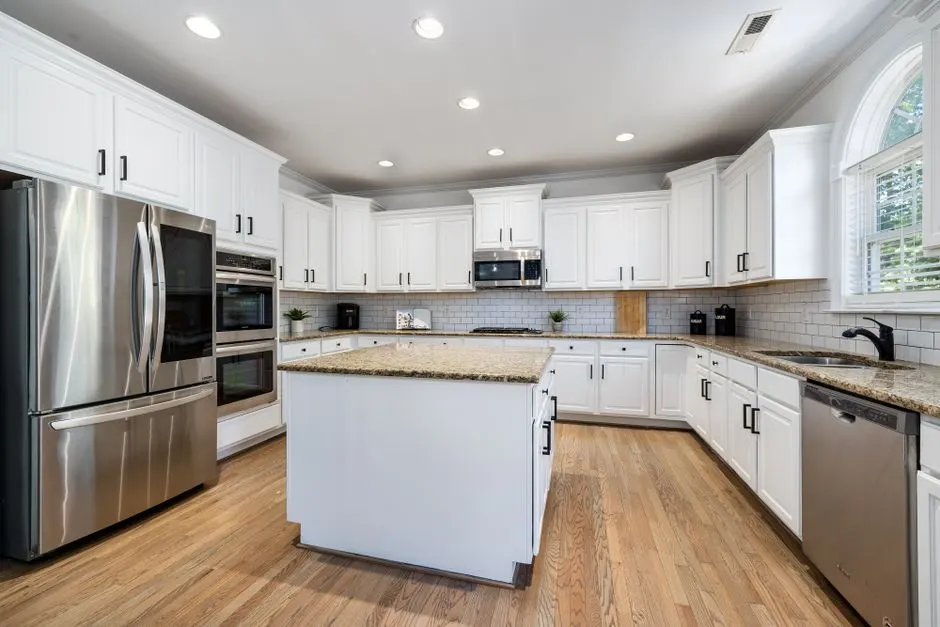
Talk with the local team
Request Cabinet Grain Filling and Smoothing
Tell us which cabinets need attention, what finish you want, and when you hope to start. Call +1 239-309-2224 to speak with Cabinet Painting Experts of Naples; we respond during regular business hours, Monday through Friday, 8:00 a.m. to 6:00 p.m. We serve Naples, Florida, including 34103 and nearby communities, and will help you plan the next step.