
Why is paint peeling on my Naples kitchen cabinets?
Peeling cabinet paint in Naples often points to grease, weak adhesion, or moisture-not simply old age. Find the cause and choose a repair that lasts.
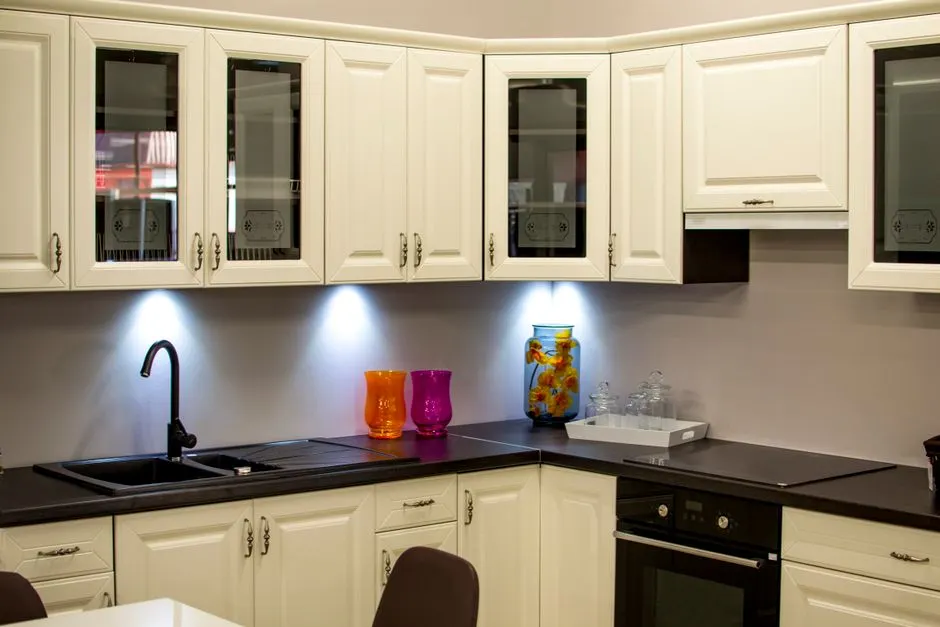
Paint peels from Naples kitchen cabinets most often because the coating never bonded to a clean, sound surface; grease, glossy old finishes, incompatible products, and moisture are common causes. Florida humidity can slow drying and expose weak preparation, but humidity alone does not explain every failure. This guide shows you how to spot the likely cause, what repairs preserve sound paint, and when a full repaint is the better fix.
Why Is Paint Peeling on Kitchen Cabinets in Naples is a cabinet-coating failure that needs a diagnosis of the surface, primer, and moisture conditions before repair. Our team sees small chips around handles as well as broad sheets lifting from doors, and those patterns point to different problems. If your cabinet finish is failing, understanding the cause first saves you from painting over the same defect.
Why does cabinet paint peel in Naples homes?
Cabinet paint peels in Naples homes when a coating loses its grip on grease, slick factory finish, loose prior paint, or moisture-damaged material. The climate adds a challenge: Naples averages roughly 75% annual relative humidity, and summer indoor humidity can rise if air conditioning or ventilation is not keeping up.
Paint needs a clean, dull, dry, compatible surface to bond. Cooking oils collect near the range; hand oils build up around pulls; furniture polish, silicone sprays, and wax can leave a nearly invisible barrier. A new coat may look smooth on day one, then separate as the film cures and the doors see daily use.
Humidity is usually a contributing condition, not a magic explanation. Most cabinet coatings specify an application range near 50-90°F and below 85% relative humidity, but the product label governs. When a freshly painted door is returned to a humid kitchen before the coating has cured, the film can stay soft, block against another surface, or fail under friction.
We handle Cabinet Painting Naples FL with attention to the cleaning, sanding, primer, and cure time that make the finish hold up to everyday cooking. Problems also look different in an older coastal home than in a newer condo, so the cabinet material and previous coating matter as much as the weather.
How to identify the cause of peeling paint
Peeling paint on Naples cabinets often reveals its cause through where it lifts, what lies underneath, and whether the substrate feels firm. Check the affected area in daylight and avoid scraping large sections before you document the pattern.
A coin-sized chip beside a handle is not the same failure as paint lifting in broad strips from every door. Look at the exposed layer: bare wood, glossy varnish, old paint, or swollen particleboard each suggests a different repair. You can also note whether the damage is concentrated near the sink, dishwasher, range, or a sunny window.
- Peeling near pulls: Skin oils, hand lotion, and frequent contact can weaken poorly cleaned paint.
- Broad sheets separating: A slick old finish, wrong primer, or incompatible coating often points to adhesion failure.
- Raised edges near a sink or dishwasher: Check for repeated splashing, steam, leaks, or swollen substrate.
- Chipping at door corners: Impact, tight door gaps, or paint that has not fully cured can cause damage.
Press gently beside the lifted edge. If the cabinet box or door feels soft, bubbles, or crumbles, paint alone will not solve the problem; the material needs repair or replacement before refinishing. A musty smell or repeated dampness near plumbing also deserves attention before another coating goes on.
In older homes around Cabinet Painting in Old Naples, layered finishes and years of furniture polish can make the original surface harder to identify. We test a small area and inspect the edges so the repair plan responds to the actual coating stack, not an assumption.
Can you fix peeling cabinet paint without stripping everything?
You can repair peeling cabinet paint without stripping every cabinet if the failure is limited and the surrounding coating remains firmly bonded. A few isolated chips often need localized removal, feather-sanding, spot priming, and a compatible topcoat; widespread lifting usually calls for broader finish removal.
Test the boundary before choosing a spot repair. If a fingernail or painter's tape lifts more paint around the visible chip, the weak area extends beyond what you first saw. A patch over loose edges will fail again, even if the new paint matches perfectly.
For a small, stable defect, the repair sequence is straightforward: remove only loose material, smooth the transition, clean away dust, apply the correct bonding primer, and rebuild the finish in thin coats. The repaired area may still show a slight sheen or color difference, particularly on older satin finishes that have dulled unevenly.
When the cabinet doors are peeling across several faces, localized patching can create a quilt of mismatched surfaces. Our Cabinet Touch-Ups and Paint Repairs Naples FL work focuses on assessing how far the coating has released and blending repairs where the existing finish is sound. If the substrate itself is swollen, repair that first rather than sealing in damage.
A full strip is not automatically necessary. Depending on the coating, a professional can remove loose or incompatible layers, sand the remaining finish to a stable edge, and prime the intact surface. The deciding factor is adhesion-not whether every trace of the old color can be seen.
Common mistakes that make peeling return
Peeling paint returns in Naples kitchens when the repair covers contamination, skips primer, or gets put back into service before the coating cures. Rushing one step can undo hours of careful painting.
The most frequent mistake is wiping a greasy cabinet with a damp cloth and treating that as degreasing. Water can spread oil rather than remove it, and residue left near handles or the cooktop blocks bonding. Another is sanding only the visible chip while leaving a fragile edge around it.
- Painting over cooking grease, wax, silicone polish, or cleaner residue.
- Using wall paint or an untested primer over a glossy factory finish.
- Skipping the product's recoat window or applying coats too heavily.
- Closing doors or stacking drawers before the coating has hardened enough to resist sticking.
- Ignoring a leak, steam source, or swollen MDF and particleboard.
Do not use a heat gun casually on cabinet doors. Heat can soften old coatings, damage veneers, or release hazardous dust and fumes from unknown materials. For older painted cabinets, we assess the finish and use appropriate containment and removal methods rather than turning a small repair into a bigger one.
How professionals repair peeling cabinets in Naples
Professionals repair peeling cabinets in Naples by finding the failure boundary, removing unsound coating, cleaning and abrading the surface, then applying compatible primer and cabinet-grade topcoats. A typical project takes 5-10 working days on site and off-site, depending on door count, cure requirements, and how much finish has failed.
We begin by checking doors, drawer fronts, face frames, and exposed cabinet boxes for different conditions. A door may have a sound factory finish while the frame has peeling paint from repeated cleaning; each surface needs the right preparation. We also check water-prone areas and look for a leak or swelling before coating anything.
Cleaning matters. We remove kitchen oils with a suitable degreaser, rinse or wipe as the product directs, and let the surface dry. Then we sand to dull gloss and feather damaged edges. For preparation focused on adhesion, our Cabinet Priming and Surface Preparation Naples FL process matches primer to the substrate and existing coating.
Primer is not a substitute for cleaning or sanding. It is the bridge between a prepared surface and the finish, and it must be compatible with both. We apply cabinet coatings in controlled, thin layers and allow the specified recoat and handling windows; many products need several days before careful use and around 2-4 weeks for full cure.
Typical 2026 pricing in Naples ranges from about $250-$700 for a few localized repairs, $2,000-$5,500 for repainting a standard kitchen with doors and frames, and more than $6,000 for extensive stripping, substrate repairs, or larger custom kitchens. Door count, finish condition, and product system change the total, so we assess the cabinets before setting a price.
For homes near the coast, including Cabinet Painting in Aqualane Shores, salt air does not directly make interior paint peel, but open windows and damp conditions can affect drying. We plan the work around indoor temperature, airflow, and product instructions rather than relying on a calendar alone.
When to call a professional
Call a cabinet repainting professional in Naples when paint lifts across multiple doors, the finish comes off in sheets, or the cabinet material is swollen or soft. A localized chip is often manageable; repeated failure across a kitchen points to a preparation or coating problem that needs a complete diagnosis.
You should also get help if you cannot identify whether the old finish is lacquer, varnish, factory coating, or a previous paint layer. The wrong solvent or primer can make a stable finish wrinkle or release. Our team inspects the cabinets, identifies the likely failure, and explains whether a targeted repair or full repaint makes better sense.
If you are searching for cabinet paint repair near me in Naples, focus on a contractor who explains how they will remove grease, prepare glossy surfaces, select primer, and manage cure time. Cabinet Painting Experts of Naples can assess peeling paint and restore a consistent finish without promising that a patch will hide damage that extends beyond the visible spot.
Frequently Asked Questions
Why does cabinet paint peel in Naples homes?
Cabinet paint peels in Naples homes mainly because grease, glossy finishes, poor primer choice, or moisture prevents reliable adhesion. High humidity can slow drying, but it is rarely the sole cause. If the paint lifts in sheets, inspect the whole surface; if it chips only near a pull, contamination or repeated contact may be localized.
Can peeling cabinet paint be repaired without stripping everything?
Yes, isolated peeling can often be repaired in 1-2 small areas without stripping every cabinet, provided the surrounding finish is firmly bonded. A professional removes loose edges, feathers the transition, cleans, primes, and recoats. If tape or gentle scraping lifts paint beyond the chip, the affected section needs more extensive preparation.
Does humidity cause kitchen cabinet paint to peel?
Humidity contributes to peeling by slowing drying and extending cure time, especially when indoor relative humidity exceeds about 85% or surfaces are damp. It does not usually cause sound, properly prepared paint to peel by itself. Keep the room near the coating label's temperature and humidity limits and avoid heavy kitchen use during early curing.
How do professionals fix peeling cabinets in Naples FL?
Professionals first identify the failed layer, then remove loose paint, degrease, sand, and apply a compatible primer and cabinet coating. A small repair may take 1-2 days of work, while a kitchen repaint often spans 5-10 working days. The finish still needs additional cure time before hard use.
How can I prevent cabinet paint peeling during humid weather in Naples?
Keep indoor humidity below roughly 85%, run air conditioning and kitchen ventilation, and follow the coating label's temperature and recoat limits. Let doors cure for several days before reinstalling or closing them tightly; many coatings continue hardening for 2-4 weeks. Fix sink or dishwasher leaks before repainting.
Get help with Cabinet Painting in Naples
Peeling paint is fixable when the cause is addressed before the next coat goes on. Call Cabinet Painting Experts of Naples at +12393092224 to discuss cabinet finish repair in Naples, Florida.