Why do painted bathroom cabinets get sticky in Naples?
Sticky bathroom cabinet paint in Naples often points to humidity, slow curing, residue, or a coating problem. Find the cause and learn what to do next.
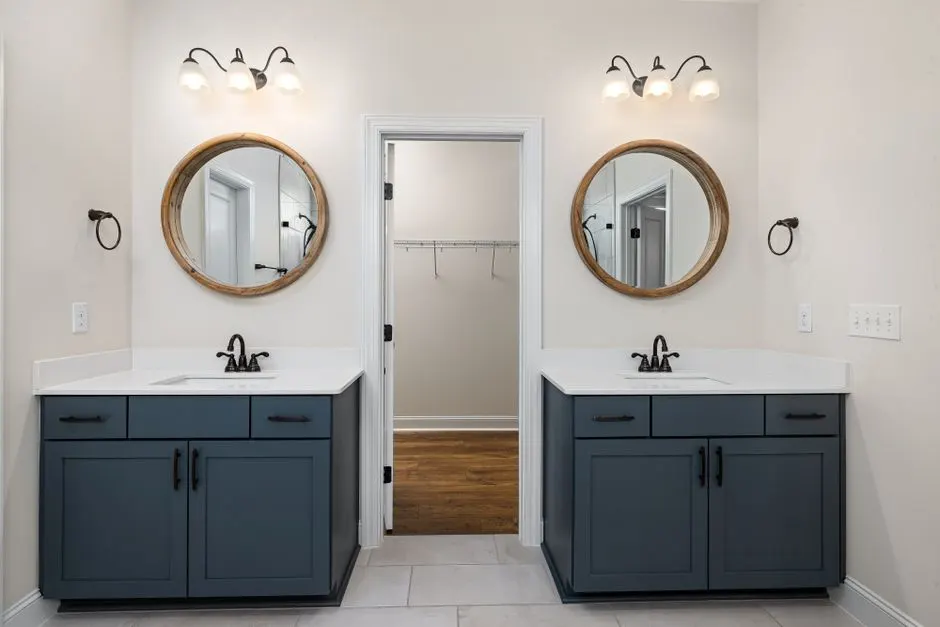
Painted bathroom cabinets get sticky in Naples most often because high humidity slows paint curing, especially when the bathroom stays warm and poorly ventilated. Residue from cleaners, skin oils, or an incompatible coating can also leave the vanity tacky, even after the surface feels dry. The right fix depends on whether the finish is still curing or has failed to harden.
Naples bathroom humidity is hard on fresh finishes: a painted door may feel dry to the touch within hours but need days or weeks to develop a durable surface. In this guide, we explain how to identify the cause, clean safely, and decide when a vanity needs repair rather than more waiting.
Why Do Painted Bathroom Cabinets Get Sticky in Naples is a cabinet-finish troubleshooting guide that helps homeowners identify tackiness and choose a safe next step. We see the same pattern in bathrooms where showers run daily, fans are switched off early, or newly painted doors are closed before the coating has hardened.
Why do painted bathroom cabinets get sticky in Naples?
Painted bathroom cabinets in Naples get sticky when moisture, heat, or surface contamination prevents the coating from drying and curing into a hard film. Humid air slows water or solvent release, while soap film and oil create a tacky layer on top of paint that has otherwise cured.
Drying and curing are different stages. Drying means the surface no longer feels wet; curing is the longer chemical process that builds resistance to fingerprints, cleaning, and door contact. A vanity door that is dry after 6 hours is not necessarily ready for repeated use.
On a newly painted vanity, look at the timeline first. If tackiness began within the first week, slow curing is a leading possibility; if the finish became sticky months later, cleaner residue, moisture exposure, or coating breakdown deserves closer attention.
Our team at Cabinet Painting Experts of Naples checks the paint film, the condition beneath it, and the bathroom's ventilation before recommending a repair. Homeowners comparing the scope of a full project can review Cabinet Painting Naples FL while considering whether the problem is limited to the vanity or part of a larger cabinet finish issue.
What Naples humidity does to vanity paint
Humidity in Naples bathrooms slows evaporation and can extend the time a cabinet coating stays soft, particularly during the wet season and in rooms without a working exhaust fan. A bathroom at 75-85% relative humidity holds moisture in the air, making it harder for some coatings to dry as designed.
Warm showers add a short but heavy moisture load. If a fan rated around 50 cubic feet per minute serves a small bathroom but runs only during the shower, steam can linger on the vanity, doors, and drawer fronts. Run the fan during bathing and for at least 20-30 minutes afterward, and keep the door open when practical.
Coating instructions matter more than a generic "dry in an hour" claim. Many waterborne cabinet paints specify application conditions around 50-90°F and a relative humidity below 80%, but the exact label for the product used is the authority. At high humidity, wait longer between coats instead of relying on the shortest printed recoat time.
Naples homes differ in exposure and airflow. A guest bath that stays closed for much of the week may hold moisture longer than a frequently ventilated primary bath, while older rooms can have weak extraction or no window. In coastal areas, salty air is not usually the direct cause of tacky paint indoors, but it makes cleaning and ventilation routines worth keeping consistent.
For a vanity that needs a new coating rather than a wipe-down, our Bathroom Cabinet Painting Naples FL service addresses surface preparation, primer selection, and finish application as one system. That matters because adding another coat over a soft or contaminated layer can trap the problem instead of solving it.
How to tell slow curing from a coating failure
Slow curing is more likely when a fresh finish feels slightly soft but improves steadily over 7-30 days; coating failure is more likely when tackiness remains, returns after cleaning, or appears with peeling and wrinkling. Check the date painted, the product directions, and whether the surface is sticky everywhere or only where hands and products touch.
Use a clean fingertip to test an inconspicuous spot without pressing hard. A temporary print that fades as the coating firms is different from paint that stretches, lifts, or transfers to your finger. Do not repeatedly test the same area; pressure can mark a soft finish.
- Fresh paint, broad tackiness: slow curing, thick coats, or low airflow are common suspects.
- Sticky around pulls and edges: hand oils, lotion, soap, or cleaner residue may be sitting on the surface.
- Persistent softness or peeling: the paint system may not have bonded properly to the old finish.
- Doors sticking together: the coating may be soft, applied too heavily, or closing before it has hardened.
Oil-based coatings can remain sensitive to handling for longer than a day, and some waterborne cabinet finishes need 2-4 weeks for a full cure. These are useful planning ranges, not universal guarantees; product chemistry, film thickness, temperature, and ventilation all affect the result.
In Old Naples, a bathroom in a historic or renovated home may pair older cabinet layers with modern paint, so identifying the existing finish is especially important before sanding or recoating. We take that layered history into account on Cabinet Painting in Old Naples projects rather than assuming the visible coat tells the whole story.
How to fix tacky bathroom vanity paint in Naples
To fix tacky bathroom vanity paint in Naples, first stop adding moisture and friction, then determine whether the coating is still within its cure window or has failed. If it was painted recently and shows no peeling, improve ventilation and allow the full product-specific cure period before attempting a repair.
Open the bathroom door, run the exhaust fan, and avoid hot showers that fill the room with steam for the next several days. If you know the paint brand, check its label or technical data sheet for recoat and cure times; do not assume another coat will fix a soft first coat.
If the paint has cured and the tackiness is a surface film, clean a hidden test area first. Use a soft microfiber cloth with warm water and a small amount of mild, pH-neutral dish soap, then wipe again with clean water and dry immediately. Keep the cloth damp, not dripping, and never leave water pooled at seams or around the sink.
When the finish remains sticky, lifts, or feels rubbery after the expected cure time, stop cleaning and avoid sanding it in place. A painter may need to remove unstable coating, clean and abrade the substrate, apply a compatible bonding primer, and rebuild the finish with light, controlled coats.
For Vanity Painting Naples FL, we focus on the doors, drawer fronts, frame, and the high-contact zones around handles where tackiness and blocking show up first. We also check that the old coating is sound before putting a new finish over it.
Common mistakes that make sticky cabinets worse
Sticky cabinet paint in Naples often gets worse when homeowners scrub a soft coating, apply a new topcoat too soon, or close doors before the finish has cured. A little patience and a small test patch prevent a modest tackiness problem from turning into peeling across the whole vanity.
Avoid these common missteps:
- Do not use acetone, lacquer thinner, ammonia, abrasive pads, or strong degreasers on painted cabinet doors.
- Do not stack towels, toiletries, or cleaning bottles against a fresh finish; contact can imprint paint that is still soft.
- Do not force drawers or doors that stick. Pulling can tear the coating where two painted surfaces touch.
- Do not use a hair dryer or space heater to rush curing; uneven heat can wrinkle or blister the film.
- Do not apply furniture polish, wax, or silicone spray to hide tackiness; residue can complicate later adhesion.
Cleaners labelled "bathroom" are not automatically safe for painted cabinetry. Bleach, acidic descalers, and concentrated disinfectants can dull or soften some finishes, so use the mildest cleaner that removes the soil and rinse it off.
Keep the sink area dry after use, repair drips promptly, and use the fan consistently. A recurring leak or splash pattern can keep one lower cabinet edge damp even when the rest of the bathroom seems comfortable.
When to call a professional in Naples
Call a cabinet-painting professional in Naples when tackiness lasts beyond the product's stated cure period, paint transfers under light contact, or the finish peels, wrinkles, or remains soft after 30 days. A failed coating needs diagnosis before more paint goes on.
We inspect the affected doors and frame, check for residue or moisture, and identify whether the coating is simply under-cured or no longer bonded. Our team then explains the repair steps and gives upfront pricing before work begins.
A contained sticky patch can sometimes be repaired without repainting every cabinet, but matching sheen and colour can be difficult if the original product is unknown or has aged. If your vanity has several coats, water damage, or widespread adhesion loss, a full preparation and repaint may produce a more even result than spot treatment.
Cabinet Painting Experts of Naples can help you stop the doors from sticking and restore a finish that is easier to clean. We look at the cause first so the repair addresses the coating, not just the symptom.
Frequently Asked Questions
Why does bathroom cabinet paint feel sticky in Naples?
Bathroom cabinet paint feels sticky in Naples most often because humidity slows curing; new finishes can need 2-4 weeks to harden fully. Soap, lotion, and cleaner residue can also create tackiness on cured paint. Check whether the finish is new, sticky everywhere, or tacky only around handles before choosing a fix.
How long should painted vanity cabinets cure?
Painted vanity cabinets commonly need 2-4 weeks for full cure, though the product label sets the actual timeframe. You can often handle doors gently sooner, but avoid scrubbing, heavy use, and prolonged contact with toiletries until the coating hardens. High humidity and thick coats can extend curing.
Can high humidity make cabinet paint tacky?
Yes, high humidity can slow cabinet paint curing for several days or longer, especially above roughly 80% relative humidity. Run the bathroom fan during a shower and for 20-30 minutes afterward, and ventilate the room while the paint cures. Follow the coating manufacturer's temperature and humidity limits.
How do I clean sticky painted cabinets safely?
Use a soft microfiber cloth, warm water, and a small amount of mild dish soap, then wipe with clean water and dry at once. Test a hidden spot first and avoid abrasive pads, acetone, ammonia, and strong bathroom cleaners. If paint transfers or lifts, stop cleaning and arrange a finish assessment.
Get help with Cabinet Painting in Naples
If your bathroom vanity stays tacky after proper ventilation and its full cure period, Cabinet Painting Experts of Naples can identify the cause and recommend a lasting repair. Call +1 (239) 309-2224 to discuss your cabinet finish.